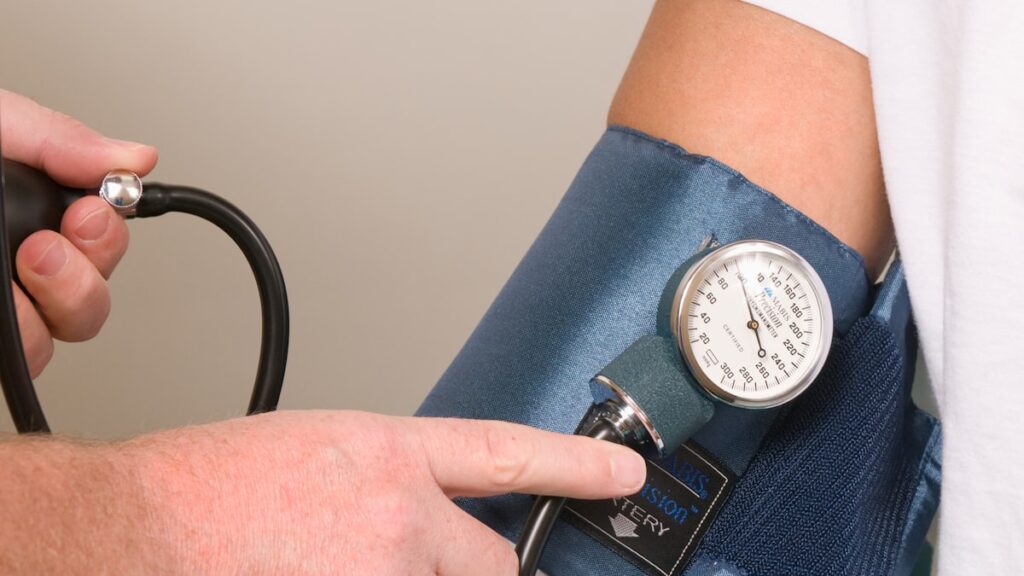
High blood pressure, or hypertension, is often called the silent killer, and for good reason. It usually causes no symptoms at all, yet it quietly damages your arteries, heart, kidneys, and brain over time. Nearly half of American adults have high blood pressure, and many do not even know it. The good news is that hypertension is easy to detect and, in most cases, very manageable. Understanding it is the first step toward protecting your long-term health.
What the Numbers Mean
Blood pressure is measured with two numbers. The top number (systolic) reflects the pressure in your arteries when your heart beats, and the bottom number (diastolic) reflects the pressure between beats. Here is a general guide:
- Normal: Less than 120 over 80
- Elevated: 120 to 129 over less than 80
- Stage 1 hypertension: 130 to 139 over 80 to 89
- Stage 2 hypertension: 140 or higher over 90 or higher
Because blood pressure varies throughout the day, a diagnosis is usually based on multiple readings taken on different occasions.
Why It Is So Dangerous
The reason hypertension is called silent is that it rarely produces warning signs until significant damage has occurred. Over years, high pressure forces your heart to work harder and stiffens your arteries. This raises your risk of heart attack, stroke, heart failure, kidney disease, and vision loss. The absence of symptoms is exactly why regular blood pressure checks are so important, you cannot feel high blood pressure, but you can measure it.
What Raises Your Risk
Several factors increase the likelihood of developing hypertension, including a family history of high blood pressure, being overweight, a diet high in salt and processed foods, physical inactivity, excessive alcohol, smoking, chronic stress, and getting older. Some of these you cannot change, but many are within your control.
Lifestyle Changes That Lower Blood Pressure
For many people, especially those with elevated or early-stage hypertension, lifestyle changes can make a meaningful difference:
- Reduce sodium and eat more fruits, vegetables, and whole grains (the DASH eating plan is designed for this)
- Get regular physical activity, aiming for about 30 minutes most days
- Maintain a healthy weight
- Limit alcohol and avoid tobacco
- Manage stress with healthy outlets
- Prioritize good sleep
When Medication Is Needed
Sometimes lifestyle changes alone are not enough, and that is okay. Effective, well-tolerated medications are available to bring blood pressure into a healthy range. The right choice depends on your numbers, your other health conditions, and how your body responds. If you are prescribed medication, taking it consistently, even though you feel fine, is essential to protecting your organs.
The Bottom Line: Get Checked
Because hypertension has no symptoms, the only way to know your numbers is to have them measured. If you have not had your blood pressure checked recently, or if you have been told it is running high, do not wait. A simple visit can catch a problem early and set you on a path to protect your heart, brain, and kidneys for years to come.
How HealthZone MD Can Help
At HealthZone MD in Katy, TX, Dr. Chukwuemeka Nnabuife and our team provide family and sports medicine care for patients of every age. Whether you need a routine check-up, help managing a chronic condition, or evaluation of a nagging injury, we are here to help you feel your best. Request an appointment or call our Katy office to schedule a visit.
This article is for general educational purposes and is not a substitute for personalized medical advice. Please consult a qualified healthcare provider about your specific situation.
Related Articles