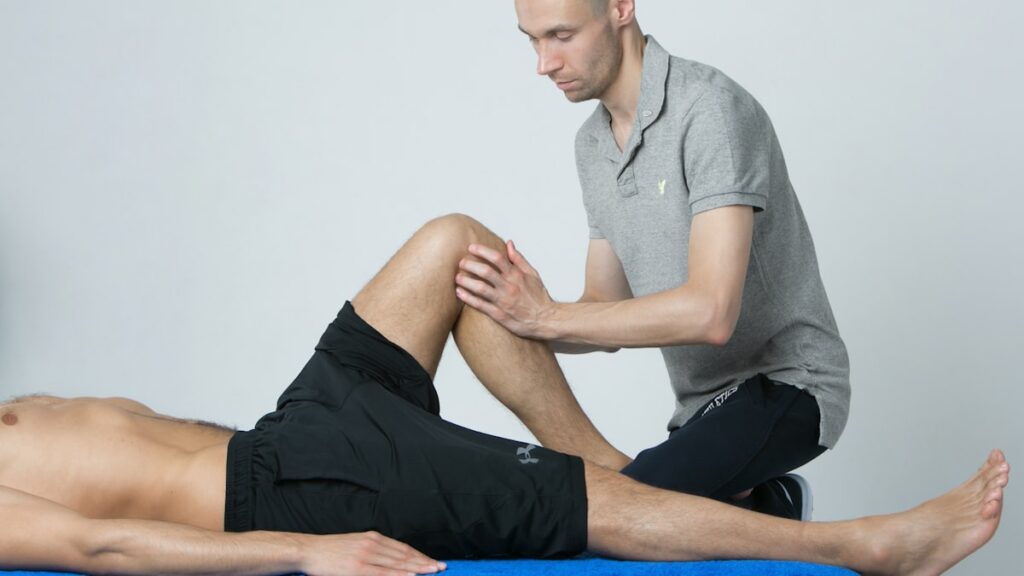
Knee pain is one of the most common reasons people visit a doctor, and for good reason, your knees carry your body weight with every step, squat, and stair climb. Some knee pain is minor and resolves on its own, while other cases signal a problem that needs medical attention. So how do you know the difference? This guide will help you understand the common causes of knee pain, what you can do at home, and the warning signs that mean it is time to see a doctor.
Common Causes of Knee Pain
Knees can hurt for many reasons, and the cause often depends on your age, activity level, and how the pain started. Some of the most frequent culprits include:
- Overuse injuries: Tendonitis, runner knee (patellofemoral pain), and IT band syndrome are common in active people and often come on gradually.
- Acute injuries: Ligament sprains or tears (such as the ACL or MCL), meniscus tears, and dislocations usually happen suddenly during sports or a fall.
- Arthritis: Osteoarthritis, the wear-and-tear form, is a leading cause of chronic knee pain in adults over 50.
- Bursitis: Inflammation of the fluid-filled sacs that cushion the knee, often from kneeling or repetitive pressure.
What You Can Do at Home
For mild knee pain, especially from overuse, the classic RICE approach is a good starting point:
- Rest: Avoid activities that worsen the pain, but do not immobilize the knee completely, gentle movement helps.
- Ice: Apply a cold pack for 15 to 20 minutes several times a day to reduce swelling.
- Compression: A snug (not tight) elastic bandage can limit swelling.
- Elevation: Prop the leg up above heart level when resting.
Over-the-counter anti-inflammatory medication can help with pain and swelling, and gentle stretching and strengthening, particularly of the quadriceps and hips, often relieves overuse-related knee pain over time.
Warning Signs You Should Not Ignore
Certain symptoms suggest a more serious problem that warrants prompt evaluation. See a doctor if you experience:
- Inability to bear weight or a knee that buckles or gives way
- Significant swelling that appears quickly after an injury
- A knee that locks, catches, or will not fully straighten or bend
- Obvious deformity or a knee that looks out of place
- Redness, warmth, and fever, which could indicate infection
- Pain that persists beyond a couple of weeks despite home care
Acute Injury vs. Chronic Pain
How your pain started offers important clues. A sudden injury with a pop, immediate swelling, and instability points toward a ligament or meniscus problem that may need imaging and specialized care. Gradual pain that worsens with activity and improves with rest is more typical of overuse or early arthritis. Either way, pain that interferes with your daily life or does not improve deserves a professional assessment.
How a Doctor Evaluates Knee Pain
When you come in, we start with a detailed history and a hands-on exam, testing your range of motion, stability, and the specific spots that hurt. Depending on what we find, we may order an X-ray or MRI to look at bones, cartilage, and soft tissues. Treatment is tailored to the cause and can range from physical therapy and bracing to injections or, in some cases, referral for surgical evaluation. The goal is always to relieve your pain and get you back to the activities you enjoy.
How HealthZone MD Can Help
At HealthZone MD in Katy, TX, Dr. Chukwuemeka Nnabuife and our team provide family and sports medicine care for patients of every age. Whether you need a routine check-up, help managing a chronic condition, or evaluation of a nagging injury, we are here to help you feel your best. Request an appointment or call our Katy office to schedule a visit.
This article is for general educational purposes and is not a substitute for personalized medical advice. Please consult a qualified healthcare provider about your specific situation.
Related Articles