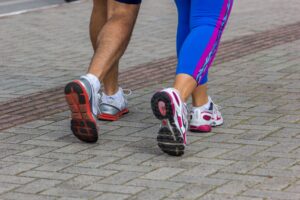
Summers in Katy and the greater Houston area are no joke. With temperatures regularly climbing into the upper 90s and humidity that makes the air feel even hotter, exercising outdoors takes more than motivation, it takes a plan. Heat-related illness sends thousands of Texans to the emergency room every year, and many of those cases are preventable. Whether you are a weekend runner, a youth athlete, or someone just trying to stay active, understanding how heat affects your body is the first step to staying safe.
Why Texas Heat Is Uniquely Dangerous
Your body cools itself mainly by sweating. As sweat evaporates, it carries heat away from your skin. But when humidity is high, sweat evaporates more slowly, so your natural cooling system becomes far less effective. That is why a 95-degree day in humid Katy can be more dangerous than a 100-degree day in a dry climate. On top of that, exercise itself generates internal heat, so you are essentially heating up from the inside and the outside at the same time.
Know the Warning Signs of Heat Illness
Heat illness exists on a spectrum, and catching it early can prevent a medical emergency. Learn to recognize each stage:
- Heat cramps: Painful muscle spasms, often in the legs or abdomen, usually the earliest warning sign of dehydration and electrolyte loss.
- Heat exhaustion: Heavy sweating, weakness, dizziness, nausea, headache, and cool or clammy skin. This is your body telling you to stop immediately.
- Heat stroke: A life-threatening emergency. Signs include a body temperature above 103 degrees, hot and dry or damp skin, confusion, slurred speech, rapid pulse, and possible loss of consciousness. Call 911 right away.
If you or someone you are exercising with shows signs of heat exhaustion, move to a cool place, loosen clothing, sip water, and apply cool cloths. If symptoms do not improve within 30 minutes, or if there is any confusion, seek medical care.
Time Your Workouts Wisely
The sun is most intense between 10 a.m. and 4 p.m. Whenever possible, exercise in the early morning or the evening when temperatures and UV levels are lower. If you can only train midday, consider moving your workout indoors to an air-conditioned gym or your home. On days when the heat index climbs above 105 degrees, even fit, well-conditioned athletes should scale back outdoor intensity.
Hydration: Start Early and Keep Going
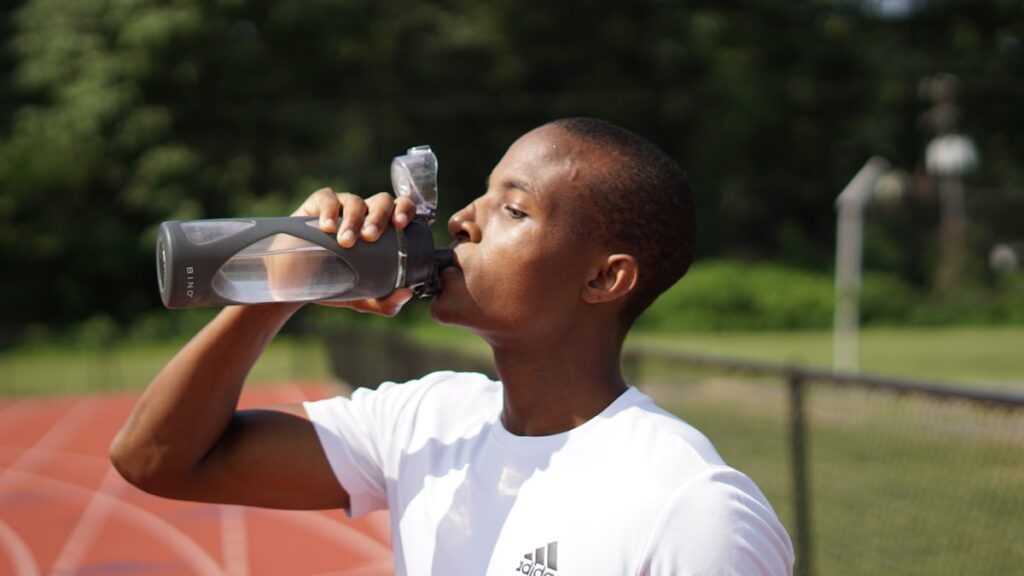
Do not wait until you feel thirsty, thirst is already a sign of mild dehydration. Drink water throughout the day, not just during your workout. A good rule of thumb is to drink about 16 ounces of water two hours before exercise, sip regularly during activity, and rehydrate afterward. For workouts lasting longer than an hour or involving heavy sweating, a sports drink with electrolytes can help replace the sodium and potassium you lose through sweat.
Dress for the Conditions
Wear lightweight, light-colored, loose-fitting clothing made from moisture-wicking fabrics. A breathable hat and sunglasses protect you from direct sun, and broad-spectrum sunscreen prevents sunburn, which actually reduces your body ability to cool itself. Avoid cotton, which holds sweat and weighs you down.
Who Needs to Be Extra Careful
Some people are more vulnerable to heat illness and should take extra precautions. This includes young children and older adults, people with heart disease, diabetes, or obesity, and anyone taking certain medications such as diuretics, beta-blockers, or some allergy and blood pressure drugs. If you have a chronic condition and want to stay active this summer, talk with your doctor about a safe plan tailored to you.
When to See a Doctor
Occasional muscle cramps or mild fatigue after a hot workout are usually manageable at home with rest and fluids. But you should see a healthcare provider if you experience repeated episodes of dizziness or near-fainting during exercise, if cramps or fatigue are severe or persistent, or if you have an underlying condition that makes exercise feel risky. And remember, any sign of heat stroke is a 911 emergency.
How HealthZone MD Can Help
At HealthZone MD in Katy, TX, Dr. Chukwuemeka Nnabuife and our team provide family and sports medicine care for patients of every age. Whether you need a routine check-up, help managing a chronic condition, or evaluation of a nagging injury, we are here to help you feel your best. Request an appointment or call our Katy office to schedule a visit.
This article is for general educational purposes and is not a substitute for personalized medical advice. Please consult a qualified healthcare provider about your specific situation.
Related Articles